BR Masonry - Ohio
Revitalize Your Home: Top Masonry Restoration Tips for Cleveland Homeowners

Introduction
Masonry is a crucial element in maintaining the charm and structural integrity of older homes, especially in cities like Cleveland. Over time, the wear and tear from weather conditions, moisture, and general aging can cause significant deterioration. Luckily, masonry restoration can bring your home back to life, enhancing both its appearance and durability. In this article, we’ll dive into the best masonry restoration tips for Cleveland homeowners to preserve their property’s value and keep their home looking stunning.
Masonry is the backbone of many Cleveland homes, providing structural integrity, beauty, and historical charm. However, like all materials, masonry can deteriorate over time due to exposure to the elements, moisture, and regular wear and tear. If left unchecked, this damage can lead to costly repairs or even compromise the safety of your home. Thankfully, masonry restoration can fix these issues and help preserve the longevity and value of your property. Let’s explore the top masonry restoration tips for homeowners in Cleveland.

Understanding Masonry and Its Components
What Is Masonry?
Masonry refers to the construction of structures using individual units, such as bricks, stones, or concrete blocks, that are bound together by mortar. This method has been used for centuries due to its durability and aesthetic appeal.
Common Materials Used in Masonry
Brick
Bricks are one of the most common materials used in Cleveland homes. They are durable, aesthetically pleasing, and relatively easy to maintain. However, over time, bricks can crack or crumble, particularly in Cleveland’s harsh winters.
Stone
Natural stone offers an elegant look and can withstand the test of time. However, it’s also susceptible to water damage, which can lead to erosion and staining.
Concrete
Concrete is commonly used for modern masonry projects. It’s a strong and versatile material, but it requires regular maintenance to prevent cracking and degradation from moisture exposure.
Signs Your Home Needs Masonry Restoration
Recognizing early signs of masonry damage can save you from expensive repairs later on. Here are some key indicators that your home may need masonry restoration.
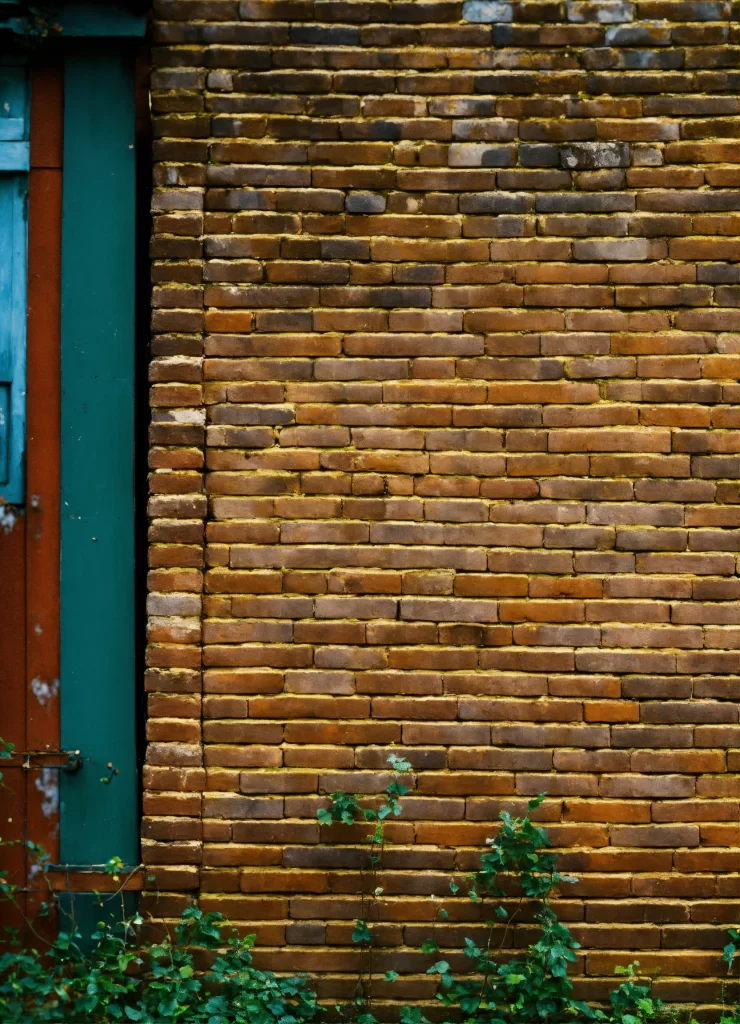
Cracks in the Masonry
Cracks are one of the most visible signs that your masonry needs attention. These can be caused by settling, freeze-thaw cycles, or even improper construction.
Discoloration and Staining
If you notice any discoloration or stains on your masonry, it’s usually a sign of water damage. This could be from excessive rain, poor drainage, or leaks in your home’s foundation.
Mortar Deterioration
The mortar holding your bricks or stones together can degrade over time. If you see it crumbling or washing away, it’s time to act before your masonry starts to fail structurally.
Water Infiltration and Mold Growth
Moisture infiltration can lead to mold growth, which is harmful to both your masonry and your health. Pay attention to any signs of dampness or mold on the inside or outside of your home.
Benefits of Masonry Restoration
Investing in masonry restoration not only prevents further damage but also comes with several benefits that can improve your home.
Enhanced Curb Appeal
Restoring your masonry can transform your home’s appearance, making it look fresh and well-maintained. This is especially important if you’re looking to sell your property.
Improved Energy Efficiency
Well-maintained masonry helps to insulate your home, keeping it warmer in the winter and cooler in the summer. This can reduce your energy bills and make your home more eco-friendly.
Increased Property Value
Homes with well-maintained masonry tend to have higher property values. Buyers are willing to pay more for a home that requires less immediate repair work.
Key Masonry Restoration Techniques
Several restoration techniques can breathe new life into your home’s masonry. Here are some of the most effective ones.
Repointing
What Is Repointing?
Repointing involves replacing the old, damaged mortar between bricks or stones with fresh mortar. This helps to restore the structural integrity of the masonry and protect it from water damage.
Why It’s Essential for Cleveland’s Climate
Cleveland’s freeze-thaw cycles can wreak havoc on masonry, causing cracks in the mortar. Repointing ensures your home remains strong and weather-resistant.
Brick Replacement
If individual bricks are damaged beyond repair, replacing them is the best option. Make sure to use matching bricks to maintain the aesthetic consistency of your home.
Tuckpointing
Tuckpointing is a technique where mortar joints are carefully removed and replaced to improve both the appearance and durability of masonry. This method can add a polished look to your home’s exterior.
Waterproofing
Applying a waterproof sealant can protect your masonry from water infiltration, which is especially important in Cleveland’s wet climate. This technique helps prevent staining and structural damage caused by moisture.
Sealing and Coating
Beyond waterproofing, sealing and coating masonry surfaces can further protect against environmental damage. This helps to prevent cracking, flaking, and other forms of wear.
DIY vs. Professional Masonry Restoration
You might be tempted to tackle masonry restoration on your own, but is it the right choice? Let’s break down the pros and cons.
Pros of DIY Restoration
DIY restoration can save you money upfront, and for minor repairs, it might be a feasible option if you have the right tools and knowledge.
When to Call a Professional
For extensive damage, structural issues, or if you’re unsure of the proper techniques, it’s best to call in a professional. Masonry restoration requires specialized skills that ensure the job is done correctly and safely.
How to Choose the Right Masonry Contractor in Cleveland
Look for a contractor with experience in Cleveland’s climate and with positive customer reviews. Don’t forget to ask for references and check their credentials to ensure they’re qualified for the job.
Common Mistakes to Avoid During Masonry Restoration
Using the Wrong Mortar
Using the wrong type of mortar for your masonry can lead to mismatched textures and even structural issues. Always ensure that the mortar matches the original composition.
Ignoring Structural Issues
Masonry cracks may indicate deeper structural problems. Ignoring these could result in further damage, so it’s important to assess the foundation and structure before starting restoration.
Skipping Waterproofing
Cleveland’s climate demands that you protect your masonry from water damage. Skipping waterproofing can lead to rapid deterioration and costly repairs down the line.
How Cleveland’s Climate Affects Masonry
Cleveland’s climate plays a significant role in the wear and tear of masonry structures. The combination of cold winters, heavy precipitation, and fluctuating temperatures creates a challenging environment for masonry. Here’s how Cleveland’s weather impacts masonry and what you can do to protect it.
Impact of Freeze-Thaw Cycles
Cleveland winters bring frequent freezing and thawing, which can be especially damaging to masonry. Water can seep into small cracks in bricks or stones and then freeze. As it freezes, the water expands, causing cracks to widen and leading to more significant damage over time. This cycle can cause bricks to loosen, mortar to crumble, and walls to weaken.
Dealing with Moisture and Humidity
Cleveland experiences high humidity in the summer months, which can also take a toll on masonry. When moisture is absorbed by bricks or stone, it can lead to staining, mold growth, and even structural damage. Over time, the moisture can break down the material, leading to erosion and spalling (when pieces of brick or stone flake off).
To combat these effects, it’s essential to waterproof your masonry and perform regular inspections to identify any early signs of water damage.

Routine Maintenance for Masonry Longevity
Regular maintenance is key to preserving the beauty and structural integrity of your masonry. Here are a few routine maintenance tips to help extend the life of your home’s masonry.
Regular Inspections
It’s important to inspect your masonry at least once a year, especially after the winter months. Look for any cracks, loose bricks, or deteriorating mortar. Catching these issues early can save you from more extensive repairs down the road.
Cleaning Tips
Dirt, grime, and mold can accumulate on masonry over time, causing it to lose its original beauty. Use a soft-bristled brush and a mild detergent to clean your masonry. Avoid using high-pressure washers, as they can damage the surface of the brick or stone.
Preventive Measures for Winter
Before winter hits, take preventive steps to protect your masonry from Cleveland’s harsh freeze-thaw cycles. Ensure that any cracks or mortar damage are repaired, and consider applying a waterproof sealant to help prevent moisture from penetrating the masonry.
Conclusion
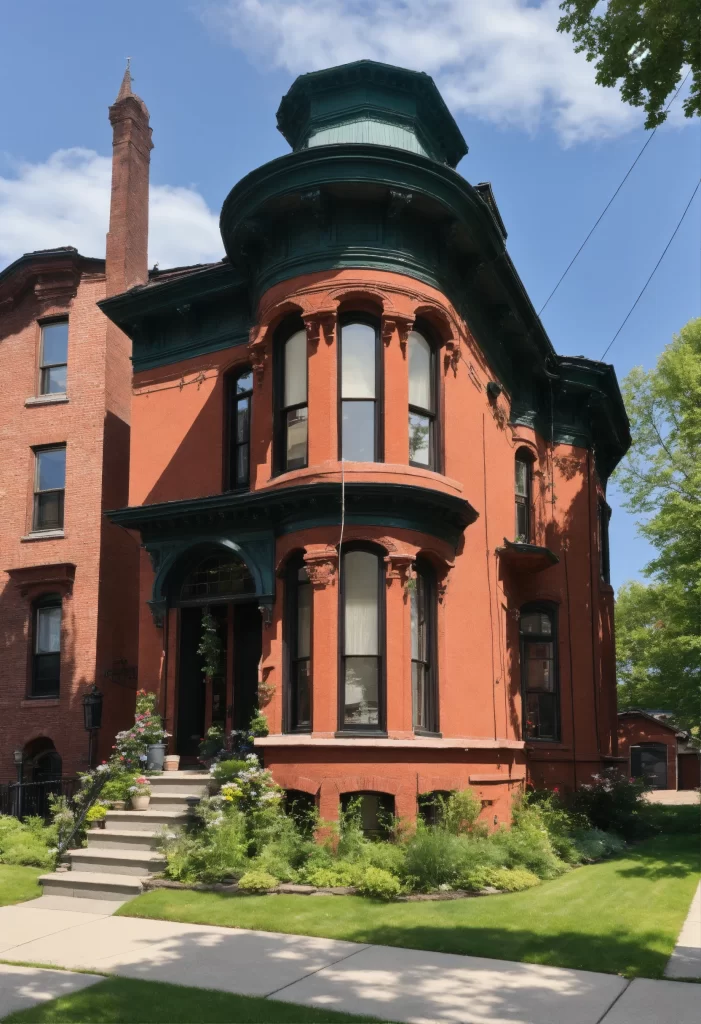
Masonry restoration is an essential process for maintaining the charm, durability, and safety of your Cleveland home. By recognizing the signs of masonry damage, understanding the restoration techniques available, and taking steps to protect your home from Cleveland’s challenging climate, you can keep your home looking beautiful and structurally sound for years to come. Whether you decide to tackle minor repairs yourself or call in a professional, timely masonry restoration is a worthwhile investment in your home’s future.